7 min read
The Science Behind Baru Nuts: What the Studies Actually Show
Peer-reviewed research on baru is small but consistent: better lipids, better antioxidant status, no weight gain.
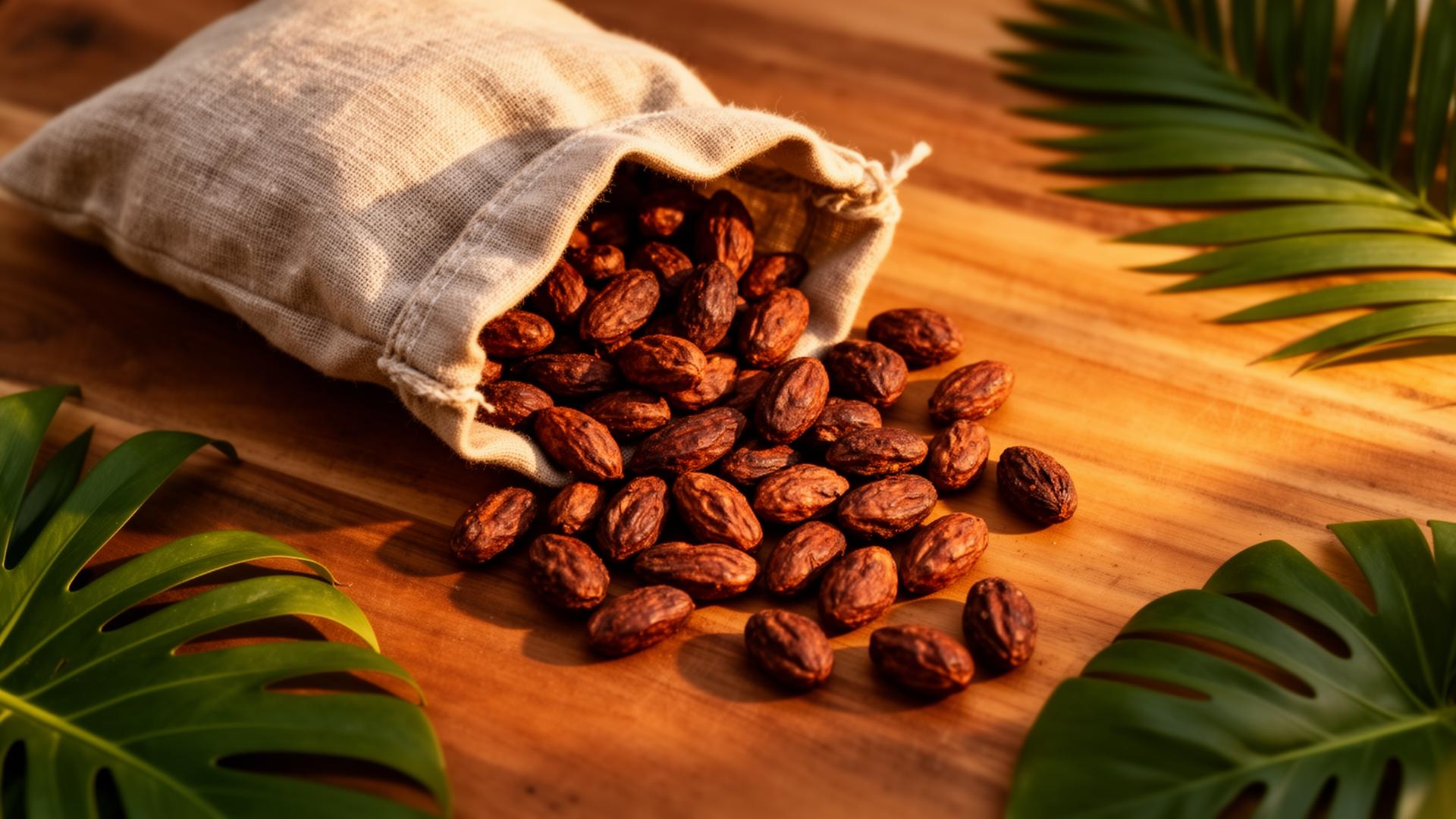
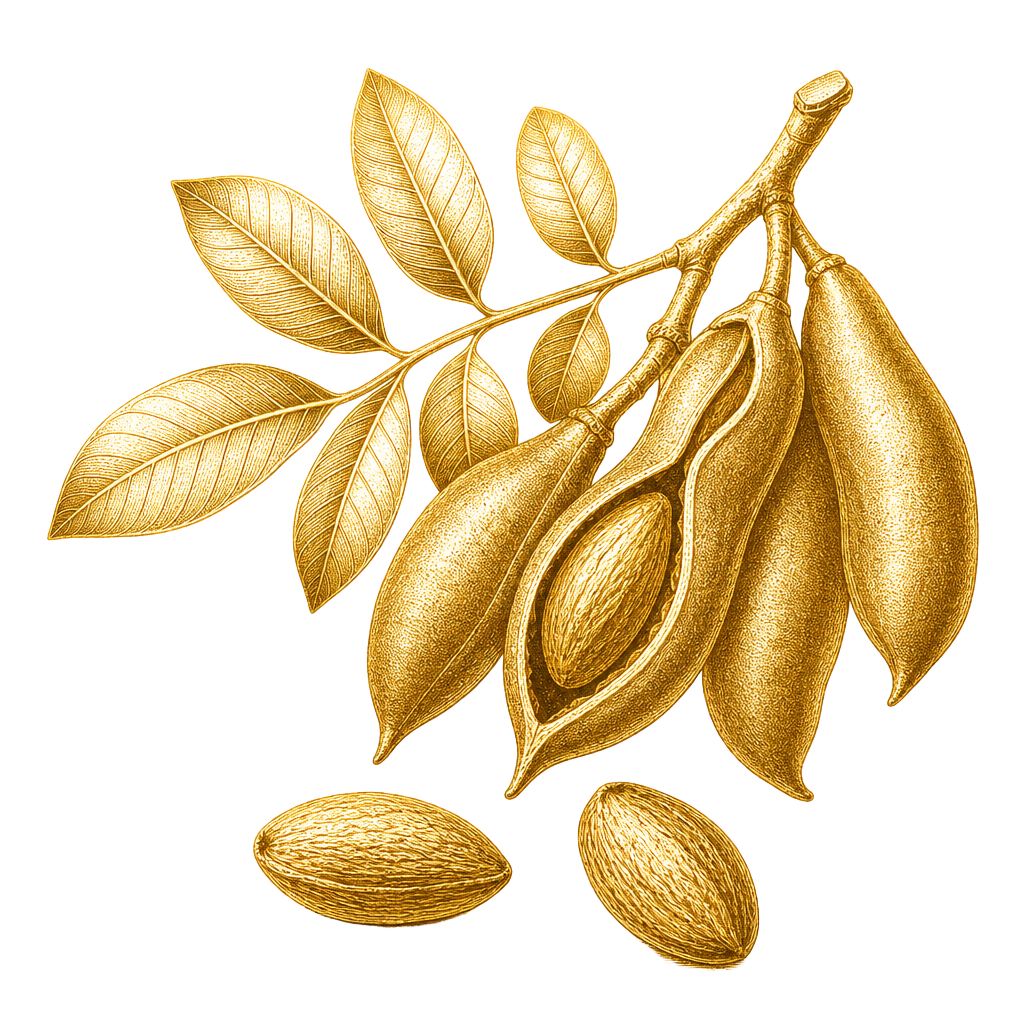
Baru (Dipteryx alata) is a relative newcomer to nutrition science compared with almonds or walnuts, but the body of work coming out of Brazilian universities since the mid-2000s is consistent: regular baru consumption nudges several health markers in the right direction.
Better blood lipids
A randomised trial in mildly hypercholesterolaemic women (Bento et al., Nutrition, 2014) added 20 g of baru per day for eight weeks. The baru group saw meaningful drops in total cholesterol and LDL with no change in HDL — a profile similar to the well-documented almond effect.
The mechanism is straightforward: mostly mono- and polyunsaturated fats, plant sterols and soluble fiber working together to lower LDL.
Antioxidant status and inflammation
Smaller crossover studies show increases in plasma vitamin E and reductions in oxidative stress markers (MDA, oxidised LDL) after a few weeks of daily baru intake. Effects are modest but consistent with baru's vitamin E and polyphenol content.
Weight, satiety and body composition
Despite being calorie-dense, baru — like other tree nuts — does not appear to drive weight gain when eaten in normal portions, because the protein and fiber increase satiety and a fraction of the fat passes through undigested. The 2014 trial above showed no change in body weight or composition over eight weeks.
What's still being studied
Researchers in Brazil are now looking at baru oil for skin and metabolic applications, and at defatted baru flour as a high-protein, gluten-free ingredient. None of this is settled, but the direction of evidence is encouraging.
Try them yourself
Wild-harvested baru nuts, shipped from the Netherlands.
Single-origin, no plantations, organic roasting. Ships across the EU, UK and worldwide.
Shop baru nuts →