6 min read
The Origin Story: A Short History of Baru Nuts & the Cerrado
Wild Dipteryx alata trees, indigenous knowledge, and how a forgotten Cerrado nut became a global superfood.
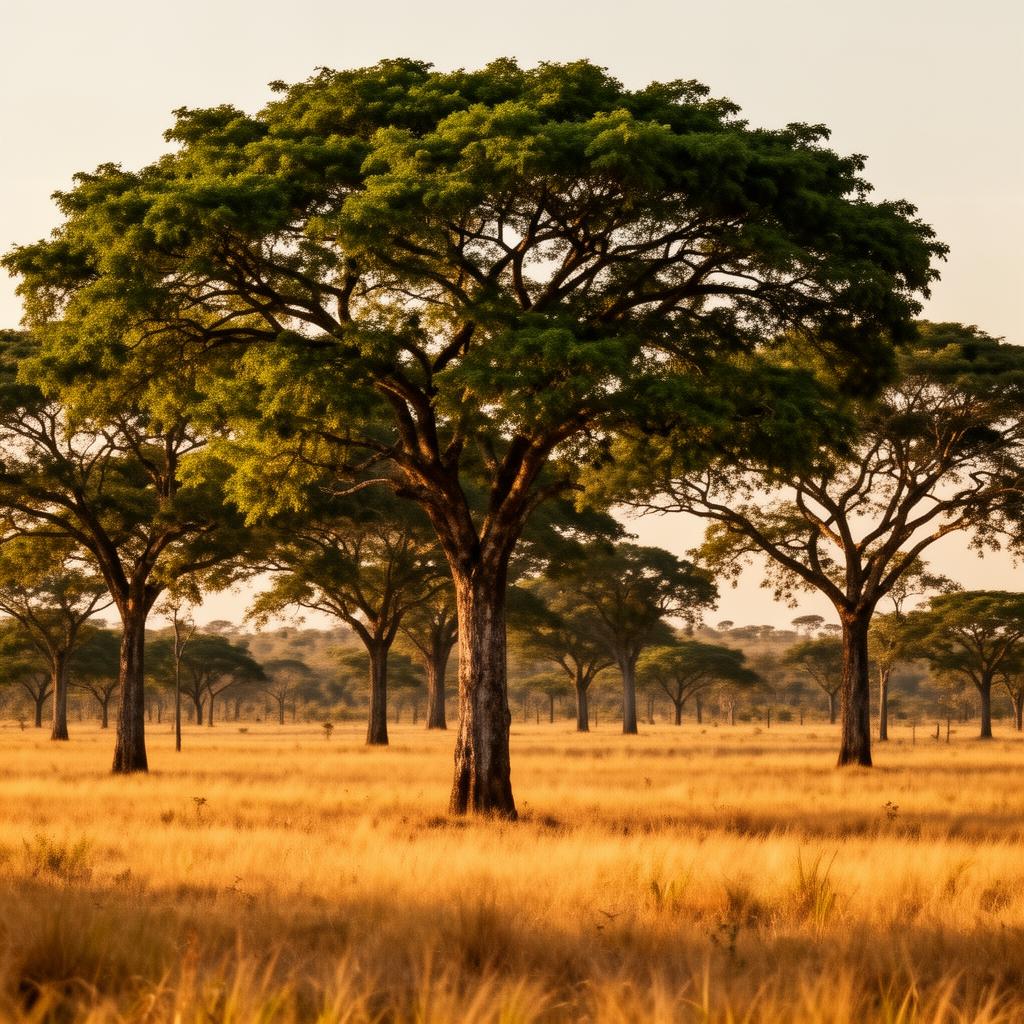
The baru tree (Dipteryx alata) has stood in the Brazilian Cerrado for thousands of years. Indigenous peoples ate the nut long before colonisation, but until the last decade it stayed almost invisible outside Brazil. Here's how it got from the savannah floor to your kitchen.
A tree built for the Cerrado
The Cerrado is the world's most biodiverse tropical savannah — a mosaic of grassland, woodland and gallery forest covering roughly two million square kilometres of central Brazil. The baru tree is one of its keystone species: deep-rooted, fire-resistant and capable of fruiting for 60+ years.
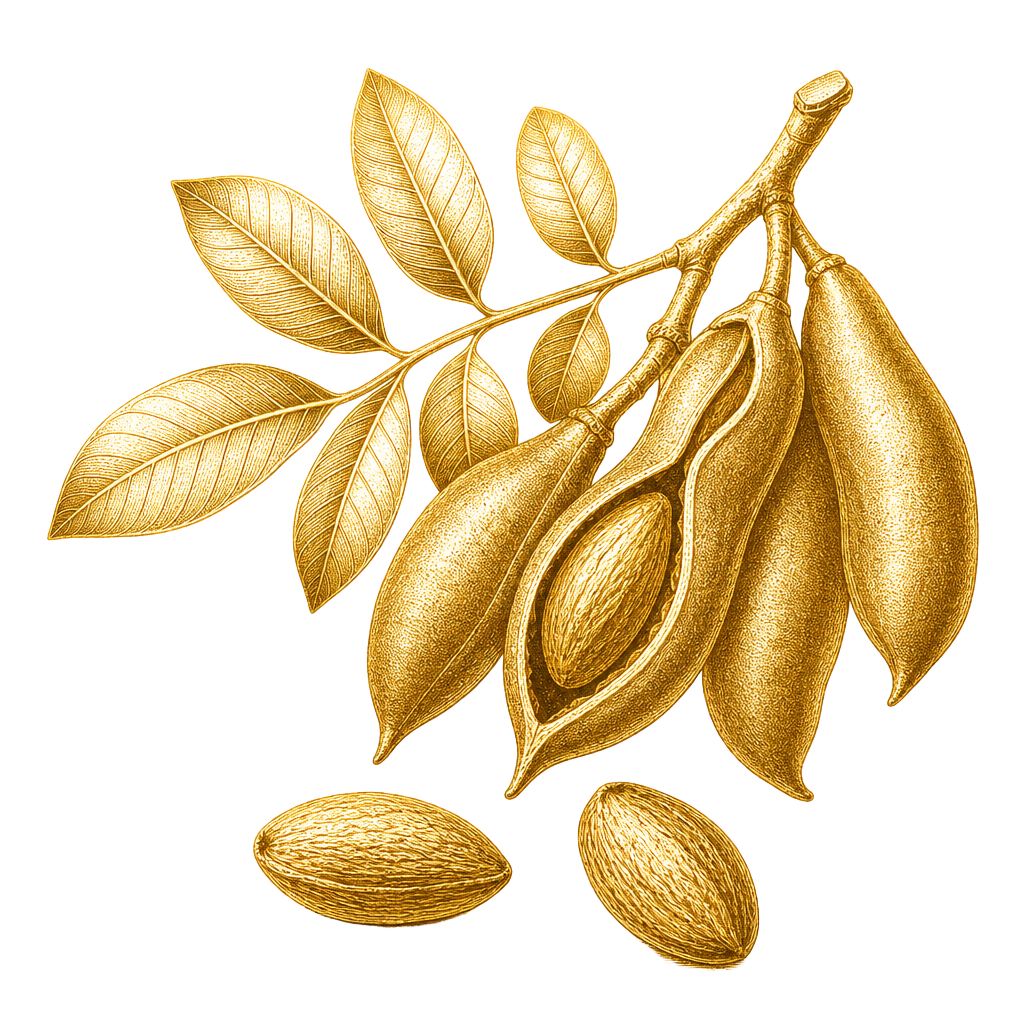
Each fruit is a hard pod about the size of a small mango. Inside, protected by an almost stone-like shell, sits a single oil-rich seed — the baru nut.
Indigenous and rural knowledge
Indigenous peoples and later sertanejo communities have eaten baru for generations. The pulp around the seed was used for animal feed and traditional sweets; the seed itself was roasted to remove a trypsin inhibitor (the same compound found raw in soybeans) and eaten as a high-protein snack.
That toasting step is non-negotiable. Properly roasted baru is safe and delicious; raw baru is not. Every pack you buy from a serious supplier has been heat-treated.
Wild-harvested, never plantation
There are no baru plantations. Pods fall from established trees each season between July and October, and family cooperatives gather them by hand from the Cerrado floor. The trees are never felled — in fact, a productive baru tree is now worth more standing than as timber, which gives families a direct financial reason to protect the savannah around them.
From local snack to global superfood
Brazilian nutrition researchers began publishing on baru in the early 2000s. International interest followed once the protein and fiber numbers became known. Today baru is exported to Europe, the US and Asia as a sustainable, single-origin alternative to almonds and cashews.
Every bag you eat helps keep a Cerrado tree standing — which, given the savannah's role in storing carbon and feeding South America's rivers, is one of the easiest planet-positive trades a snack can make.
Try them yourself
Wild-harvested baru nuts, shipped from the Netherlands.
Single-origin, no plantations, organic roasting. Ships across the EU, UK and worldwide.
Shop baru nuts →